Broken promises of Better Together leave energy-rich Scotland in the cold
 by
by If promises were megawatts, Scotland could power the entire continent of Europe thrice over on the hot air generated by Westminster politicians.
Instead, as autumn turns to winter in 2026, Scottish households are once again preparing to tighten their belts, turn down their thermostats, and watch in disbelief as their energy bills climb into the stratosphere.
With Bloomberg Economics forecasting a staggering 25% surge in January pushing average bills to around £2,150 a year – hot on the heels of August’s 3.1% inflation rise – the myth of Westminster’s “broad shoulders” has evaporated faster than a puddle in the Sahara.
For the people of Scotland, this isn’t just an economic headache; it is the culmination of twelve long years of broken referendum promises, political sleight of hand, and deliberate amnesia.
Cast your mind back to September 2014. The anti-independence Better Together campaign marched across Scotland promising that staying with Westminster was the only way to guarantee low energy bills for Scottish families.
They assured us that the vast, mighty UK energy market was our security blanket – a magic shield protecting us from market volatility.
To sweeten the pot, the Unionist campaign claimed that remaining in the UK would leave Scottish households £189 a year better off on their energy bills.
Scottish Labour, never ones to be outdone in the art of political fiction, went even further. They loudly proclaimed that staying tied to Westminster would save families up to £875 a year.
Fast forward to 2024 Labour takes power at Westminster pledging a £300 cut to Scots’ household energy bills, with the price cap sitting at £1,414.
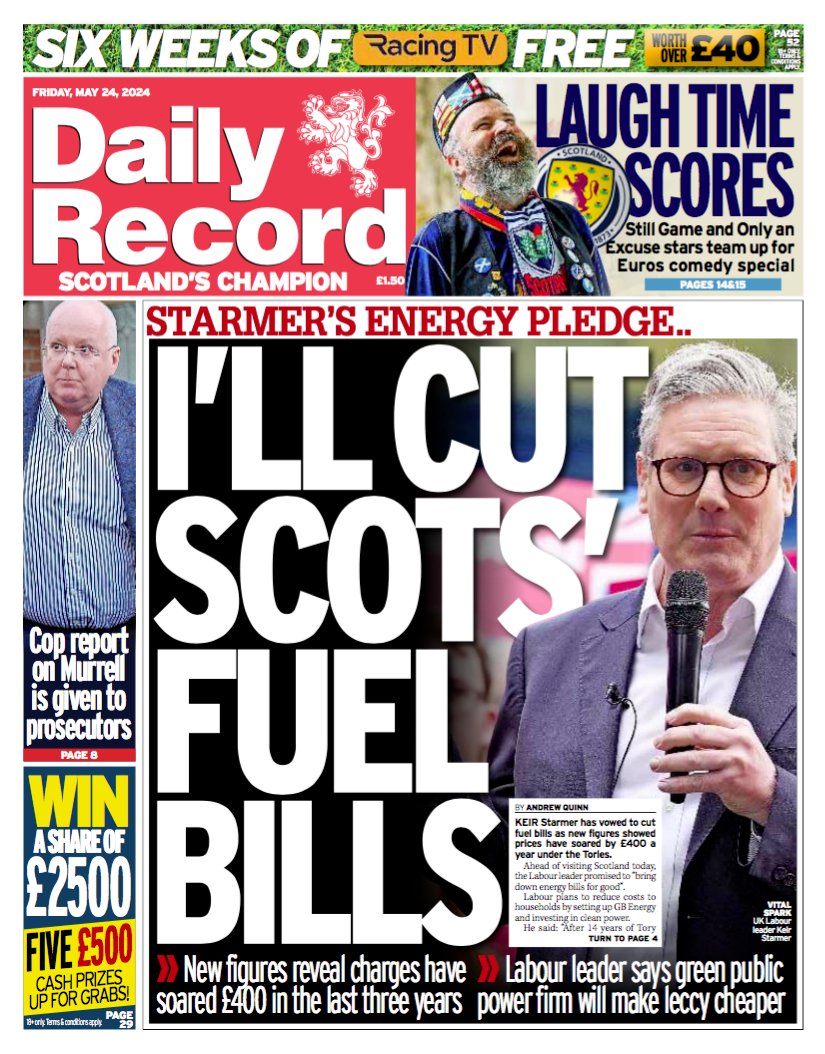
Instead of paying £189 less, Scots are facing energy bills soaring above £2,150. That isn’t a minor rounding error – it is a financial chasm.
Westminster’s energy guarantees in 2014 are like buying a solar-powered torch and discovering it can’t be guaranteed outside the house.
When Labour swept into Downing Street in July 2024, voters were told that the days of Tory chaos were over and that breathing space was finally on the horizon. Central to Labour’s pitch was a shiny, unambiguous pledge: They would cut Scottish energy bills by £300.
At the time Labour took office, the energy price cap stood at £1,414. Had that pledge been met, families would be paying £1,114 today. Instead, with forecasts now pointing directly to £2,150, Scottish households are looking at bills that are £990 higher than Labour promised.
And what has Labour offered by way of relief? A belated decision to remove VAT on electricity bills – a move that saves the average household less than £4 a month.
Offering a £4 monthly discount while allowing bills to skyrocket by hundreds of pounds is like tossing a frisbee to someone falling out of a plane; it looks like effort, but it won’t stop the fall.
The ultimate irony of Scotland’s predicament under Westminster control is that we are an energy-rich nation suffering in fuel poverty.
- Offshore Potential: Scotland produces vast quantities of fuel and renewable energy.
- Wind Powerhouse: We possess some of the richest wind and tidal resources in the whole of Europe.
- The Grid Penalty: Under Westminster, Scottish energy generators are charged extortionate fees to connect to the national grid, while consumers face some of the highest electricity prices on the continent.
Inflation has crept back up, food prices remain stubbornly high, mortgage rates continue to squeeze families, and energy bills are threatening to push thousands into cold homes this winter.
Westminster’s economic system isn’t just mismanagement – it is fundamentally broken.
As SNP Westminster Leader Dave Doogan MP noted, it is a moral disgrace that families living in an energy-rich powerhouse are forced to choose between heating and eating. SNP Economy spokesperson Kirsty Blackman MP rightly called it out for what it is: an endless UK “doom loop”.
For twelve years, Scotland has been told to trust Westminster with its energy security, its economy, and its future. Each time, the promises have crumbled like a sodden digestive dipped into a cup of tea.
Scotland cannot afford to keep playing this game.
The only way to ensure that Scotland’s immense natural wealth benefits the people who live here is to take control of our own destiny.
Energy rich Scots should never be fuel poor – and that is precisely why Scotland’s energy should belong in Scotland’s hands with independence.